Whether you're raising a few laying hens in your backyard or a whole flock, FG Edwards is with you every step of the way.
Read Guide complet : alimentation des poules pondeuses au Québec
- Petit géant
Little Giant - 22 lb. Galvanized Treadle Feeder
$136.99Was$189.95Save $52.96Only 2 left - Brinsea - Maxi 24 Advance fully digital 24 egg incubator
Brinsea - Maxi 24 Advance fully digital 24 egg incubator
$559.95Only 1 left


About Poultry
Whether you're raising a few laying hens in your backyard or a whole flock, FG Edwards is with you every step of the way. Our poultry collection includes everything you need to start, maintain, and grow your chicken coop — from laying hen feed and drinkers to chick heat lamps and incubation equipment.
We offer a complete range of poultry feed products, including locally produced feeds from the Eastern Townships and trusted brands, as well as feeders and waterers suited to each growth stage. Our selection also includes health, lighting, and fencing equipment to ensure the safety and productivity of your poultry house year-round.
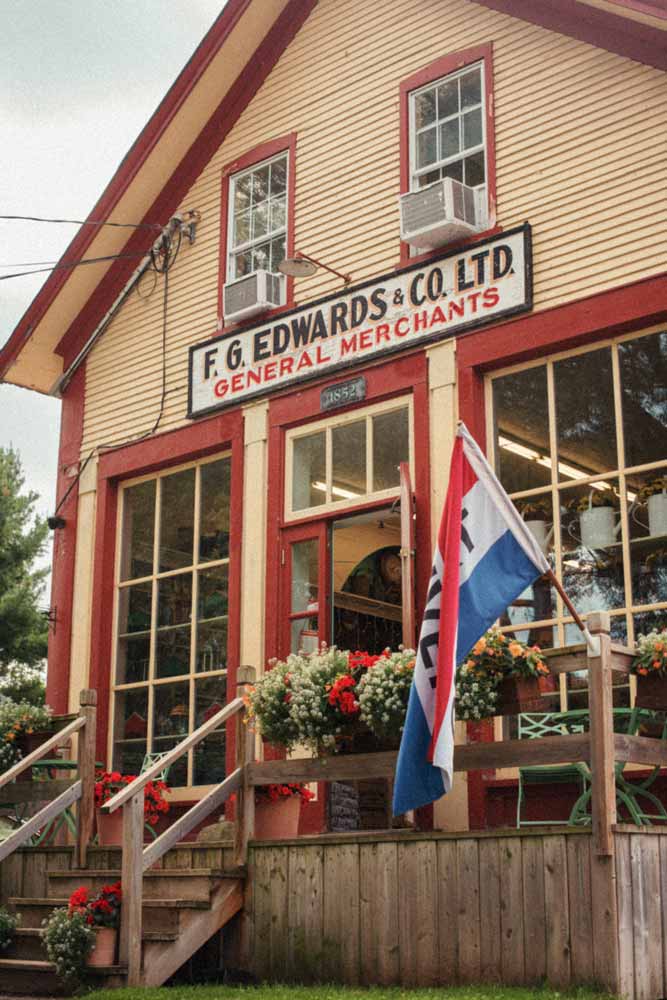
Since 1928, FG Edwards has been the trusted partner of poultry farmers in the Eastern Townships. Explore our specialized categories: poultry feed , drinkers , feeders , heating , poultry health , and more.
Frequently Asked Questions
What feed should I give my laying hens to maximize egg production
Laying hens have precise nutritional requirements that directly determine both the number of eggs they produce and the quality of each shell. The most critical nutrient is calcium, which must make up 3.5 to 4.5 % of the total diet — roughly 4 g per hen per day — because each eggshell contains approximately 2.2 g of calcium. Without adequate calcium, hens either stop laying or produce thin-shelled eggs prone to breakage during collection and washing.
The second critical nutrient is protein, which should reach 16 to 18 % of the diet during active lay. Protein provides the amino acids required to synthesize egg whites, with lysine and methionine as the limiting amino acids in most grain-based rations. A complete layer pellet or crumble with guaranteed calcium between 3.5 and 4.5 % and crude protein at 16 % or higher meets both requirements reliably. Pellets and mini-cubes waste 5 to 10 % less feed than loose mash, which hens scatter readily from open troughs.
How do I set up a brooder for day-old chicks arriving in spring
A properly configured brooder is the single most important factor in chick survival during the first two weeks of life. The target temperature directly under the heat source is 35 °C during week one, reduced by 3 °C each subsequent week until chicks are fully feathered at approximately 6 weeks. In Quebec, where May nights still regularly drop to -5 °C, supplemental heat must be reliable and correctly sized — a 250-watt infrared heat lamp handles 25 to 50 chicks adequately; plan at minimum one lamp per 50 chicks for larger batches.
Read chick behaviour to fine-tune temperature rather than relying solely on a thermometer: if chicks crowd tightly under the lamp, it is too cold; if they avoid the heat zone and press against the brooder walls, it is too hot. The ideal is uniform distribution across the brooder floor. Start with 5 to 8 cm of dry pine shavings for bedding — never cedar, which contains toxic volatile oils — and replace wet patches daily to prevent ammonia buildup that damages developing airways.
How much water do chickens drink and how do I prevent waterers from freezing in a Quebec winter
A standard laying hen consumes between 0.25 and 0.5 litres of water per day at moderate temperatures, a figure that nearly doubles to 0.9 litres during summer heat. As a rule, hens consume approximately twice as much water by weight as feed — if a hen eats 120 g of mash, she needs roughly 240 mL of fresh water. Even a 4-hour interruption in water access can suppress laying for 2 to 3 weeks, making reliable hydration the highest-priority management factor in any laying flock.
Quebec winters create serious freezing challenges. Unheated coops regularly drop to -10 to -20 °C overnight from November through March. The most reliable solutions are purpose-built heated waterers with integrated electric heating elements, or heated base platforms designed to sit under standard plastic waterers — a 60 to 100-watt heated base handles most small-flock waterers up to 5 litres effectively. Galvanized steel waterers tolerate freeze-thaw cycles better than plastic and are easier to thaw when icing occurs despite heating.
How do I manage a mixed flock of laying hens, roosters, and young birds
Mixed flocks — combining laying hens, one or more roosters, growing pullets, or meat birds — are common in backyard operations but require deliberate management to prevent nutritional harm and social conflict. The core problem is that each life stage requires a different feed, and a single feeder accessible to all birds will inevitably deliver the wrong nutrients to some of them. Layer feed at 3.5 to 4.5 % calcium is toxic to chick kidneys; chick starter at 18 to 20 % protein and under 1 % calcium is nutritionally inadequate for laying hens; roosters on long-term layer feed develop kidney disease from chronic calcium excess.
- All-flock/flock raiser feed at 18 % protein, under 1 % calcium — base ration for every bird in a mixed pen
- Free-choice oyster shell in a separate container — laying hens self-regulate calcium; roosters and pullets largely ignore it
- Two feeding stations minimum, spaced apart — prevents dominant birds from guarding the food supply
The most practical solution for a mixed-pen situation is an all-.
Why have my hens stopped laying and what can I do to bring them back into production
A drop in egg production is the most common concern among backyard keepers, and causes range from entirely normal seasonal physiology to correctable management failures. The most frequent cause in Quebec is reduced daylight — hens require 14 to 16 hours of light per day to maintain production. As days shorten after the summer solstice, most hens naturally reduce and eventually stop laying by October or November without intervention. Installing a timer-controlled 25 to 40-watt LED in the coop, extending total daily light to 16 hours by adding light before sunrise rather than after sunset, restores and maintains production through winter.
The second major cause is the annual moult, during which hens redirect protein and energy from egg production to feather replacement. Moult typically begins in autumn, lasts 8 to 16 weeks, and causes complete cessation of laying. Increasing dietary protein to 20 to 22 % during this period accelerates feather regrowth and speeds return to production.
How do I identify and treat lice, mites, and respiratory illness in my flock
Red mites (Dermanyssus gallinae) are the most economically damaging external parasite in backyard flocks. They are nocturnal feeders that shelter in coop cracks, perch joints, and under nest box lids during daylight — making them easy to miss on casual inspection. Treat the coop structure with food-grade diatomaceous earth worked into cracks, and treat birds with a pyrethrin-based poultry dust applied at feather bases, especially around the vent, neck, and under wings. Repeat in 14 days to break the egg cycle.
Respiratory illness — sneezing, rattling breath, nasal discharge — spikes during Quebec's October-to-November cold transition when flocks consolidate indoors and wet litter generates ammonia. Ammonia above 25 ppm damages mucous membranes and opens the door to secondary infection. Any sudden outbreak affecting multiple birds simultaneously requires immediate veterinary consultation: infectious bronchitis, Mycoplasma gallisepticum, and Newcastle disease are reportable under Quebec's Loi sur la santé animale administered by MAPAQ, and cannot be legally self-treated without a confirmed diagnosis.
What bedding works best in a Quebec chicken coop and how often should I do a full cleanout
Kiln-dried pine or spruce shavings are the standard choice for Quebec coops. They absorb moisture effectively, are easy to work with a pitchfork, and support the deep litter method — starting with 10 to 15 cm of fresh shavings and adding new material on top every 1 to 2 weeks rather than removing soiled litter after each cycle. Microbial fermentation in the lower litter layers generates heat — a measurable advantage in Quebec winters, where a well-managed deep litter bed raises coop floor temperature by 3 to 5 °C compared to a bare concrete floor. Never use cedar shavings; the aromatic oils are toxic to poultry.
Alternative options include chopped straw, widely available at Quebec farm stores, which packs down faster than shavings and absorbs moisture less efficiently; and coarse sand, excellent for drainage and easy to rake but providing no thermal insulation — not recommended as a sole bedding in unheated or poorly insulated Quebec coops through winter.
Where can I buy laying hen feed and poultry supplies near West Brome and Bedford
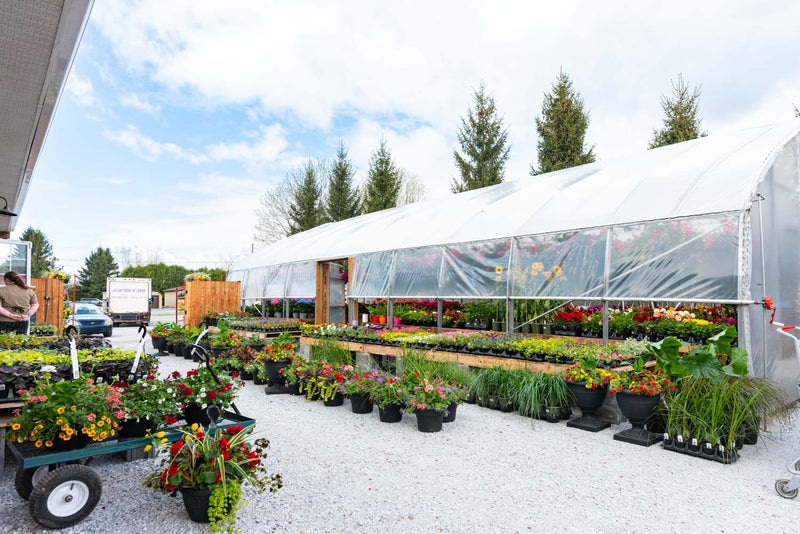
F.G. Edwards operates two farm supply locations in Quebec's Eastern Townships — West Brome and Bedford — both carrying a complete range of poultry feed and supplies for backyard keepers and small-scale producers. The West Brome location is the larger of the two and serves as the primary destination for seasonal items, specialty feeds, and the full poultry equipment range. Bedford serves the Missisquoi valley farming community with a strong focus on livestock and agricultural supply. Both locations stock the same core poultry line: layer pellets and crumbles, chick starter and grower feeds, locally produced rations from the Eastern Townships, free-choice oyster shell and granite grit, heated waterers and gravity feeders across all flock sizes, pine shavings and bedding, heat lamps and ceramic dimmers, and health and sanitation products for the coop.
What separates a specialist farm supply from a hardware chain or online order is same-day availability and staff who raise poultry themselves.
Two stores, one team
In Bedford as in West Brome, you will find people who know animals, fields, and the seasons.
-
Exceptional service! You rarely find that in stores today.
Marie-Josée, Knowlton -
Don’t try to mess around here. FG Edwards is THE place.
Louis-Alexandre Parent, Sutton