




-
CANARM - Heated Livestock Waterer, H50 - (50 heads)
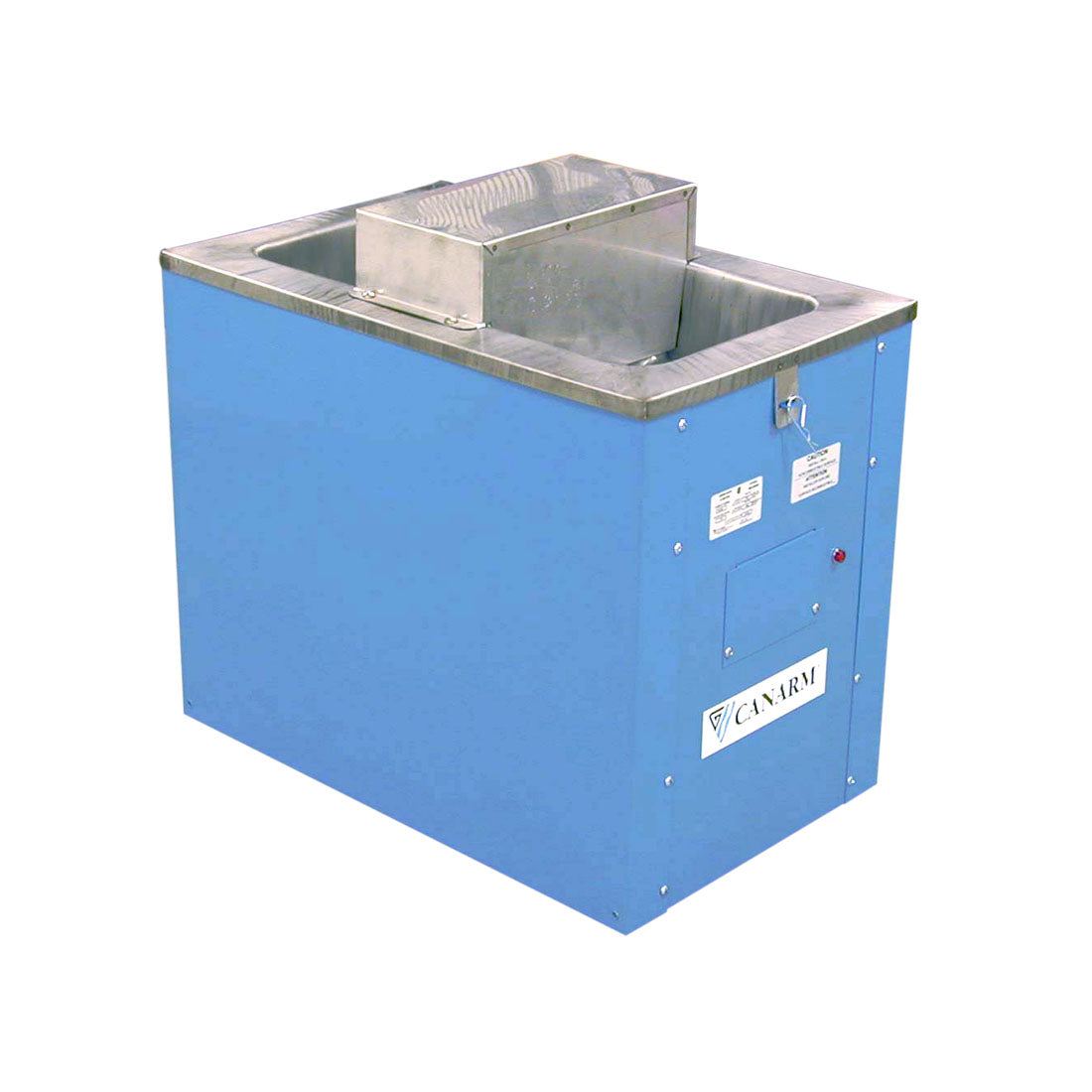

CANARM - Heated Livestock Waterer, H50 - (50 heads)
- Regular price
- $830.95
- Sale price
- $830.95
- Regular price
-
-
CANARM - Replacement Indicator Light for Heated Steel Waterers, H0544

CANARM - Replacement Indicator Light for Heated Steel Waterers, H0544
- Regular price
- $21.65
- Sale price
- $21.65
- Regular price
-
In Stock -
CANARM - Heated Livestock Waterer, H100 - (100 heads)
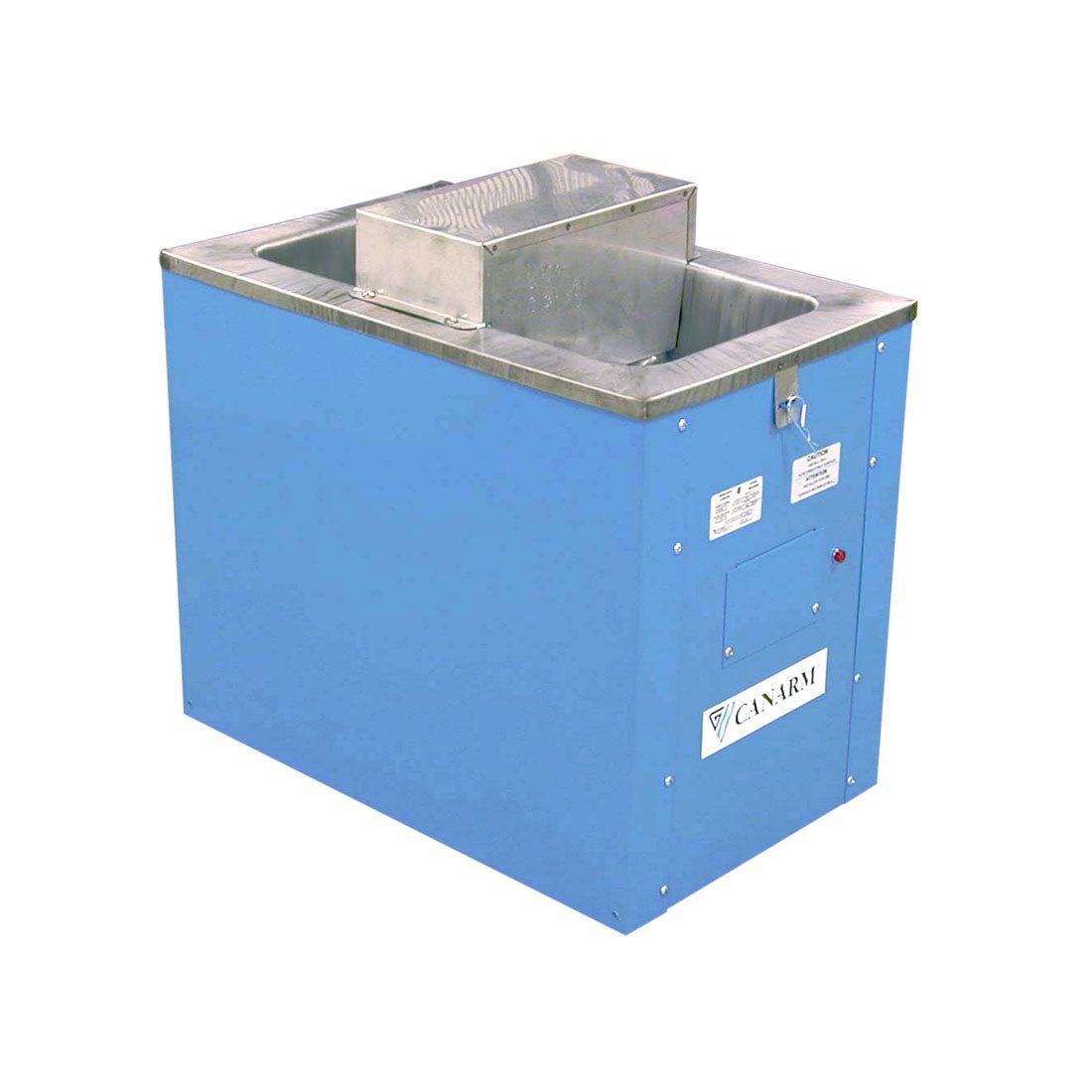

CANARM - Heated Livestock Waterer, H100 - (100 heads)
- Regular price
- $898.95
- Sale price
- $898.95
- Regular price
-
-
CANARM - Plastic Heated Livestock Waterer, P100 - (100 head)
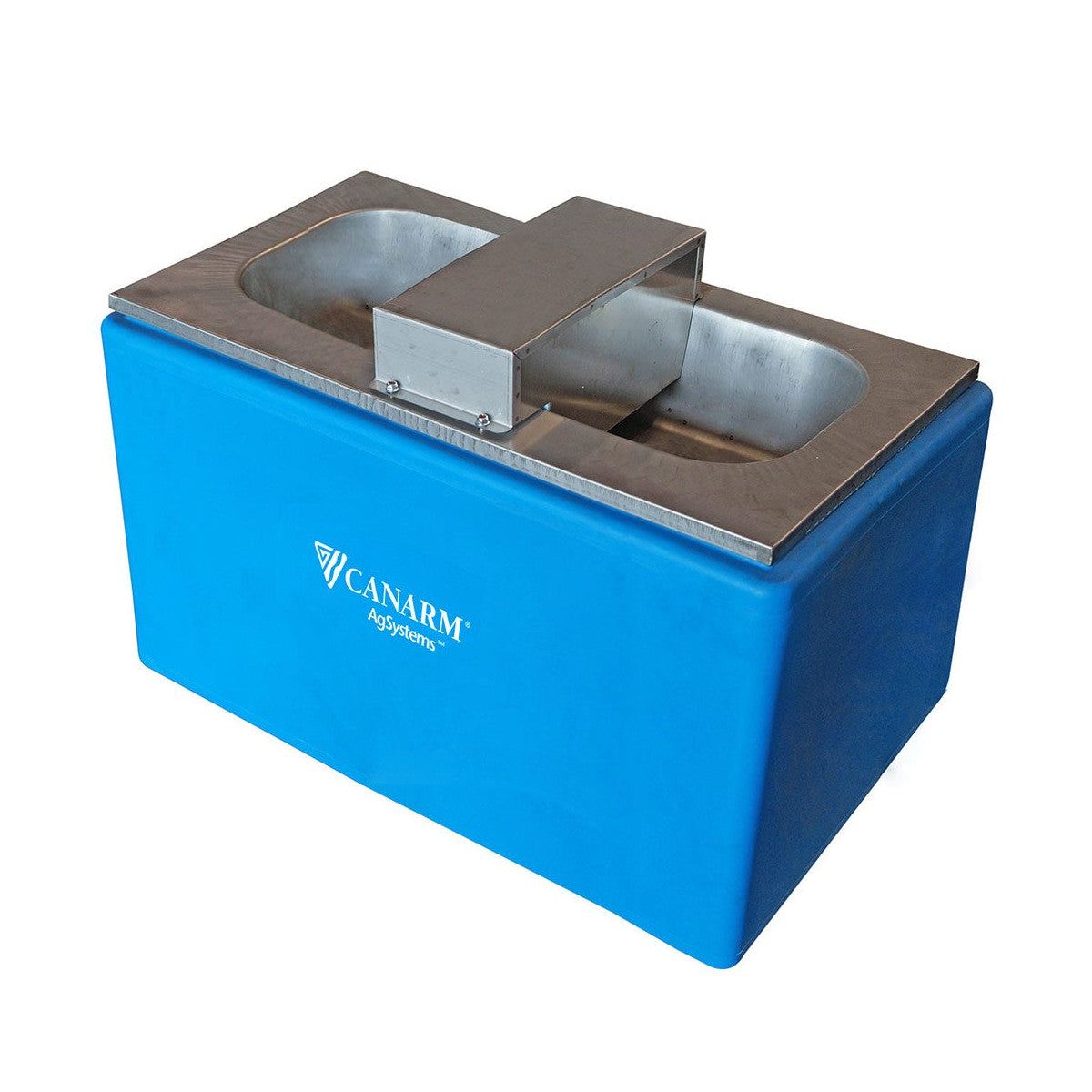
CANARM - Plastic Heated Livestock Waterer, P100 - (100 head)
- Regular price
- $1,060.85
- Sale price
- $1,060.85
- Regular price
-
Low Stock -
CANARM - Plastic Livestock Heated Waterer, P50 - (50 head)
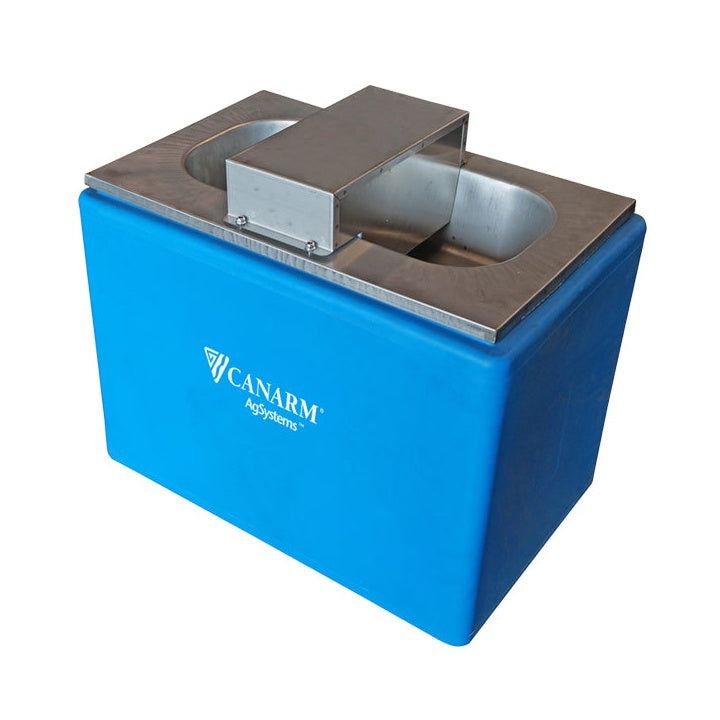
CANARM - Plastic Livestock Heated Waterer, P50 - (50 head)
- Regular price
- $955.80
- Sale price
- $955.80
- Regular price
-
Low Stock -
CANARM - Plastic Heated Livestock Waterer, P25 - (25 heads)
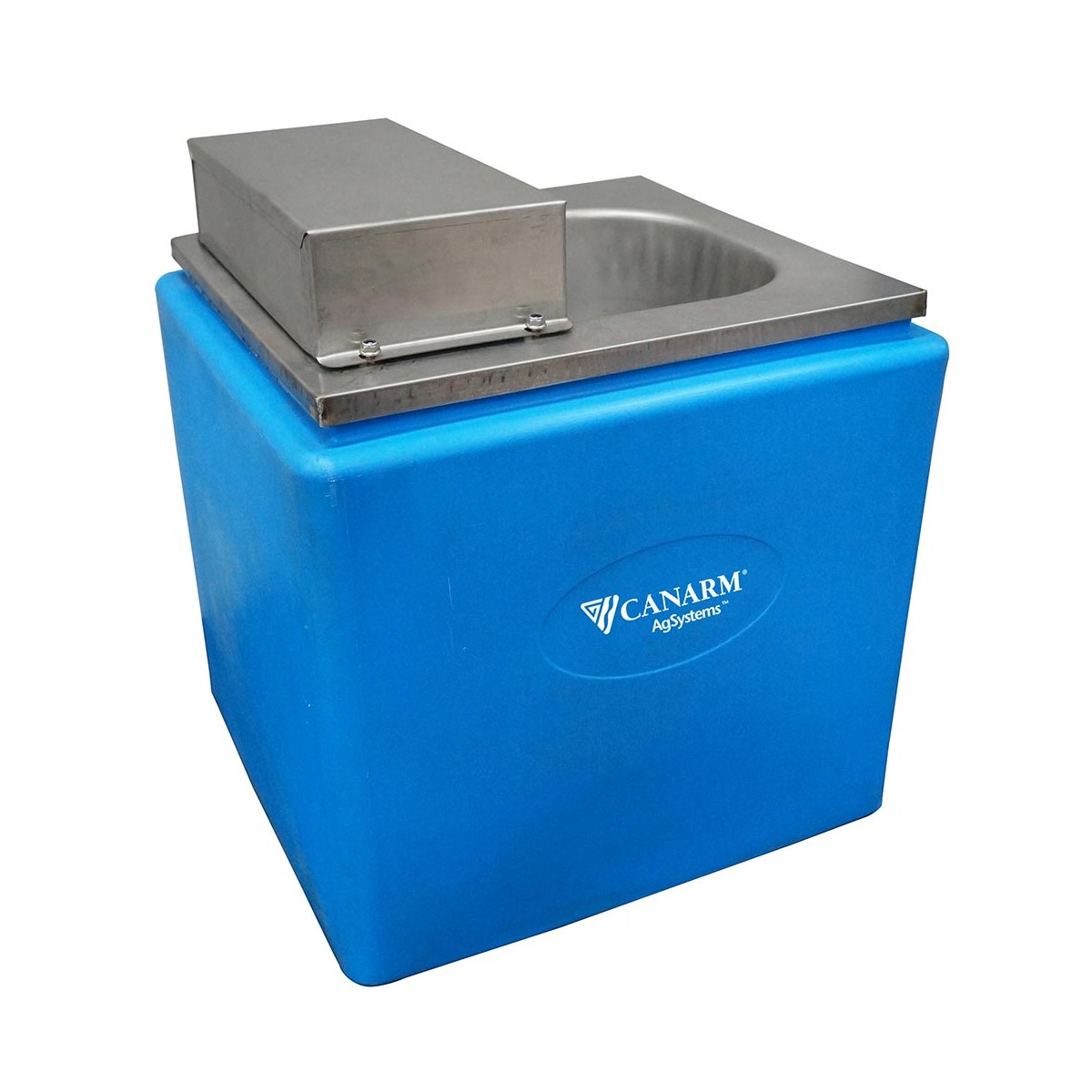
CANARM - Plastic Heated Livestock Waterer, P25 - (25 heads)
- Regular price
- $849.75
- Sale price
- $849.75
- Regular price
-
Low Stock


SPECIAL OFFERS
buy now
Sale
Wood shavings 92 L (3.25 cu ft) - Pelletier Northwood

Sale
Saltec - Iodized salt block for livestock (20kg)

Sale
White Salt Block For Livestock
Sale
Tradition Optimal Health - Dry Cat Food With Chicken
Sale
Hoggs of Fife - Braemar Rubber Boots
Sale
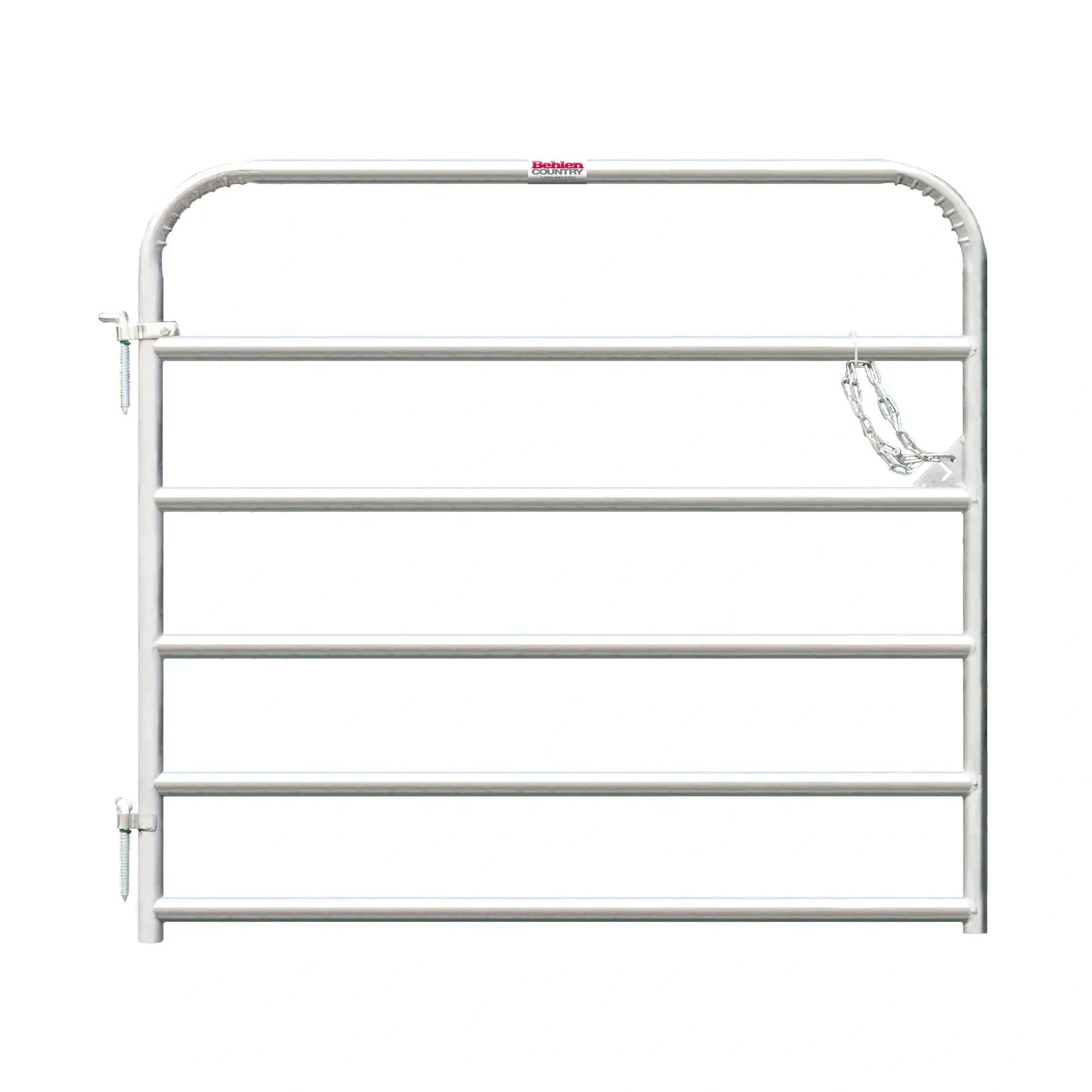
Behlen Country - Tubular Galvanized Steel Farm Gate

Sale
PRO-MIX - General Purpose Mycorrhizae Growing Substrate – 3.8 cu. ft.

Sale
Miracle-Gro® Universal Garden Soil, 50 L
Sale
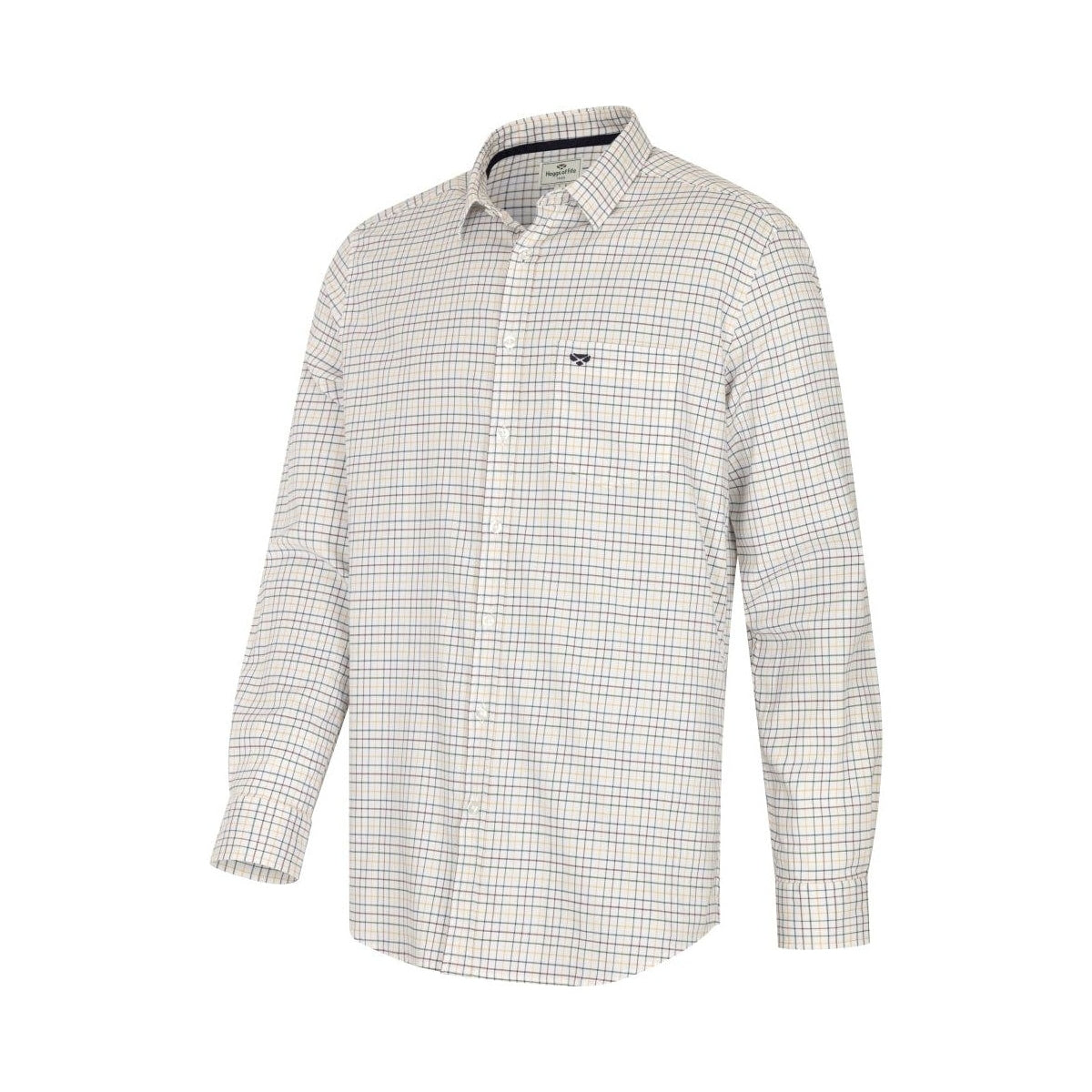
Hoggs of Fife - Callum Country Check Shirt
Sale
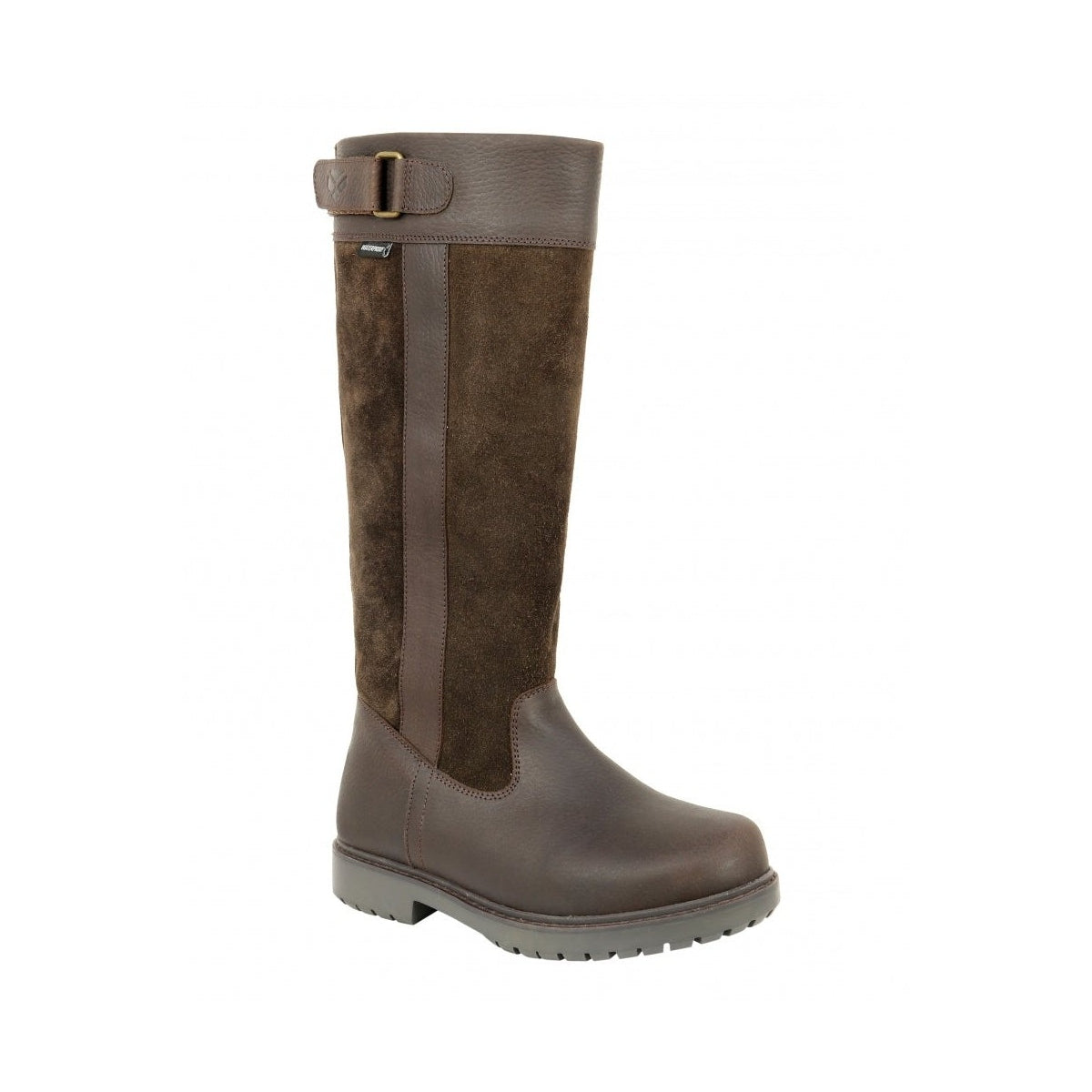
Hoggs of Fife - Country Boots for Women - Cleveland II
Sale
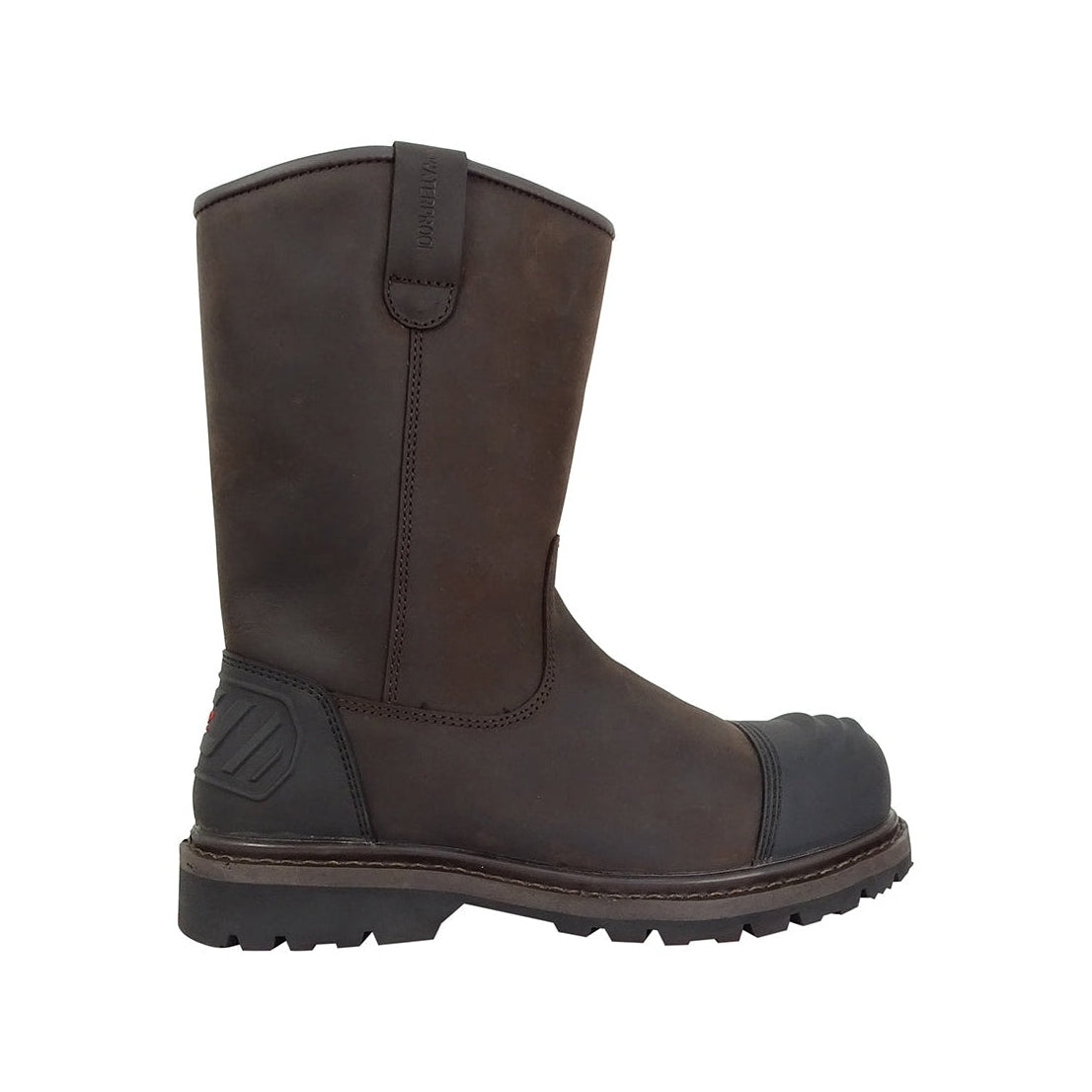
Hoggs of Fife - Thor Rigger Safety Boot
Sale
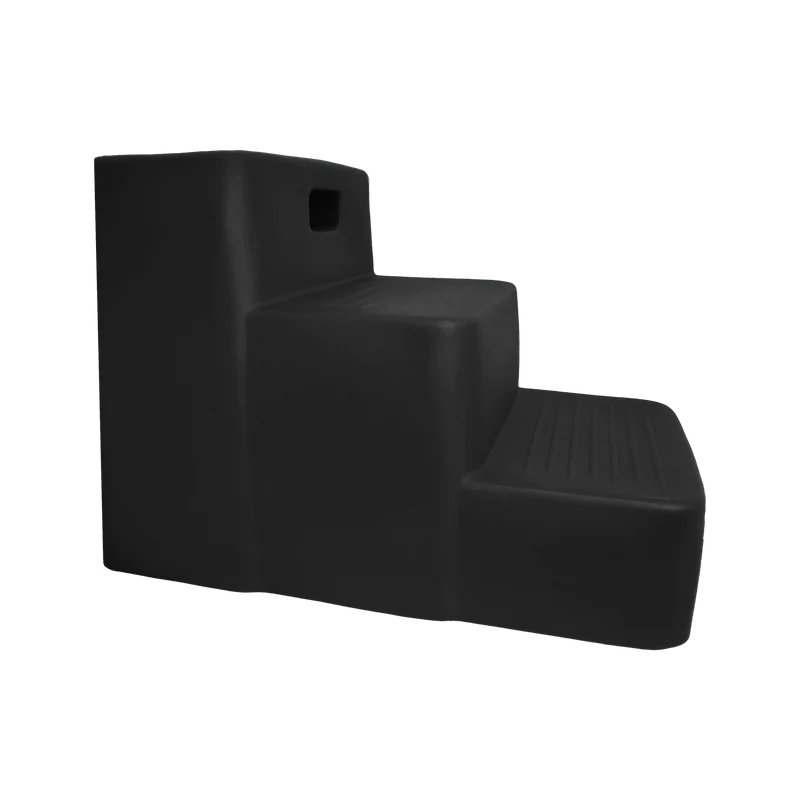
Horsemen's Pride - 3 Step Mounting Block

Sale
Plastic Adirondack Chair - Gracious Living

Sale
Red Brand - Horse Fence, Square Deal® Non-Climb, 100ft Class 1, #1348-2-12½

Sale
Scotts Turf Builder WinterGuard Fall Lawn Fertilizer 32-0-10, 10.5 kg
Sale
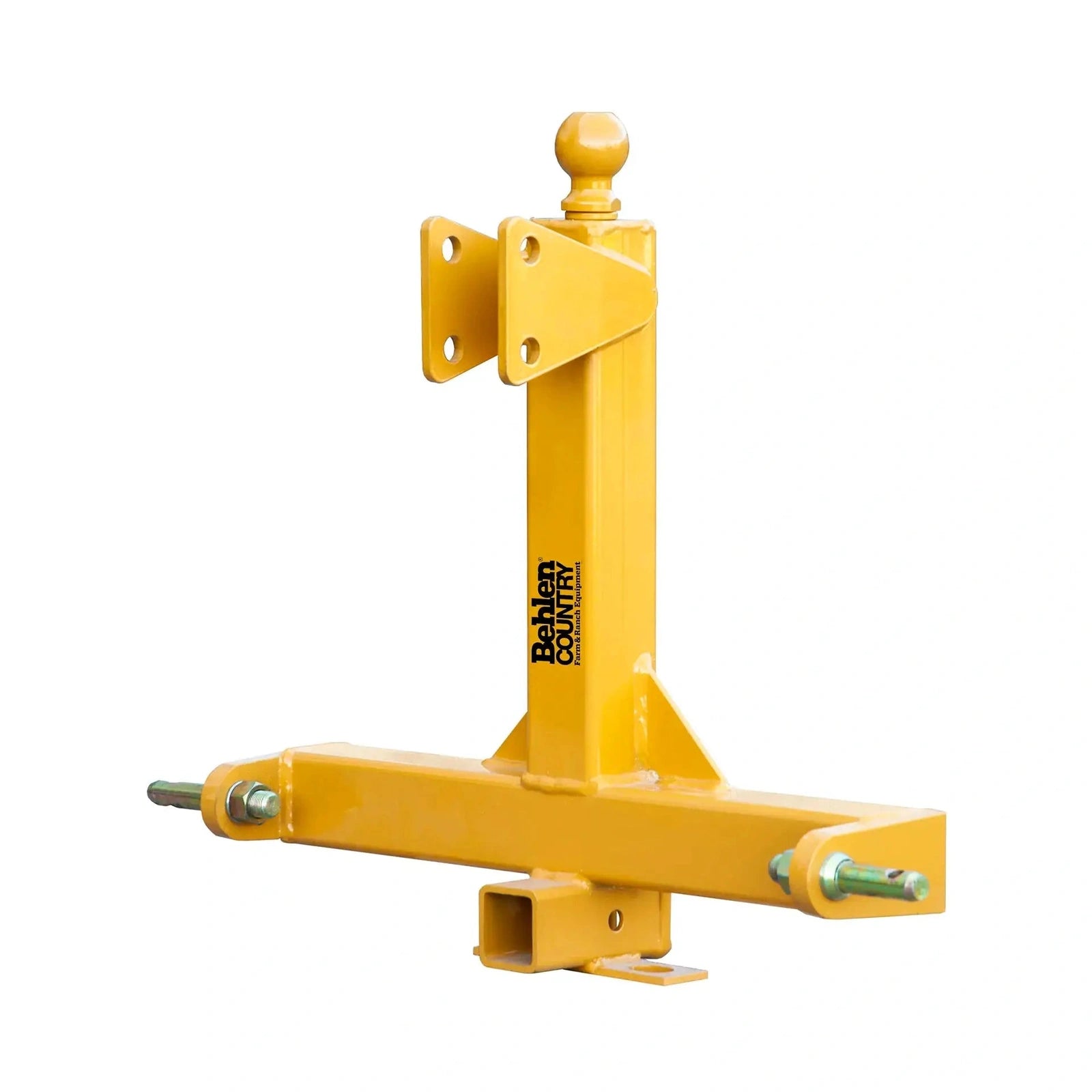
Behlen Country - 3-Point Standard Trailer Mover (3500 lbs)

Sale
Scotts 9.1 kg Corn Gluten Weed Preventer
Sale
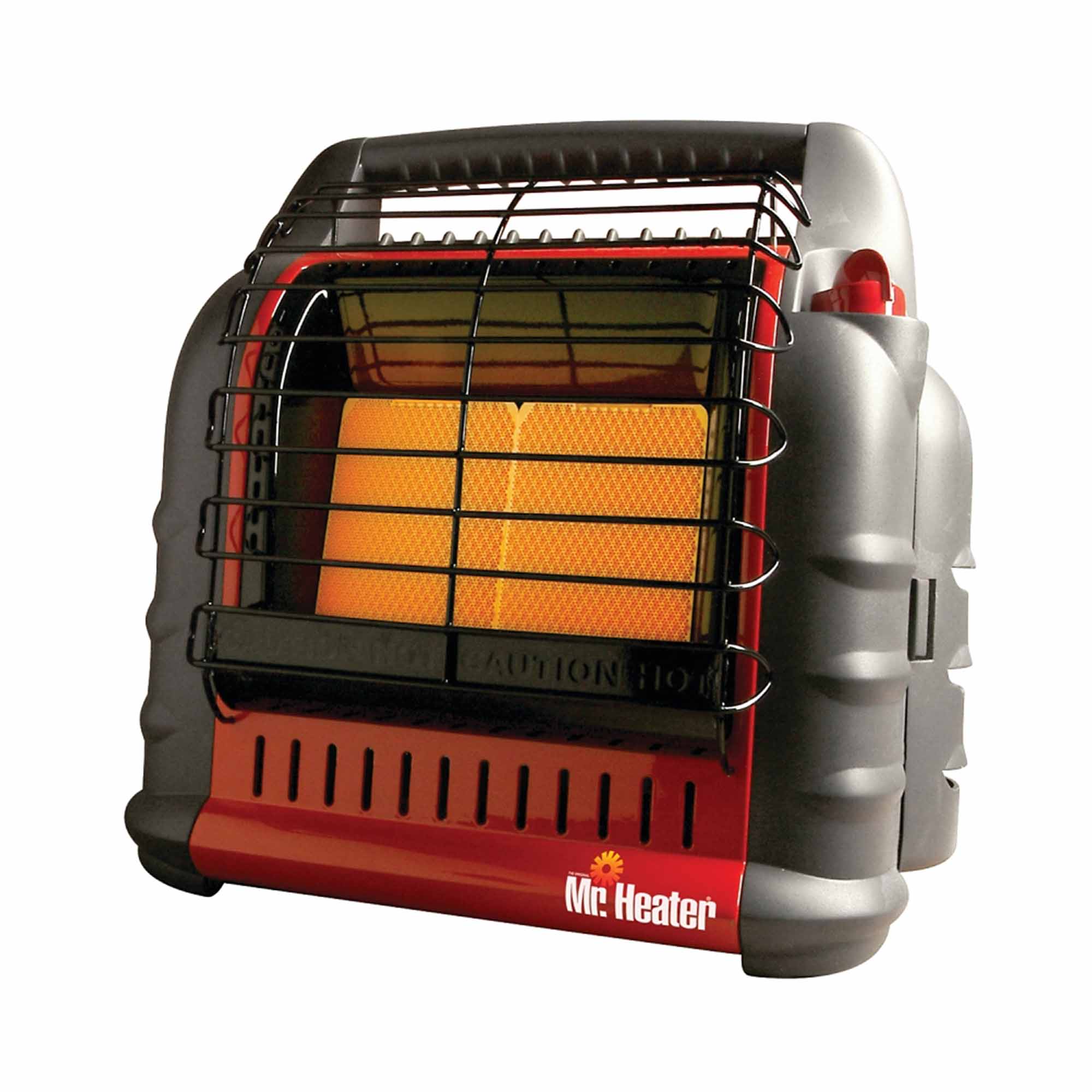
18,000 BTU Large Portable Propane Heater - Mr Heater Big Buddy F274806
Sale
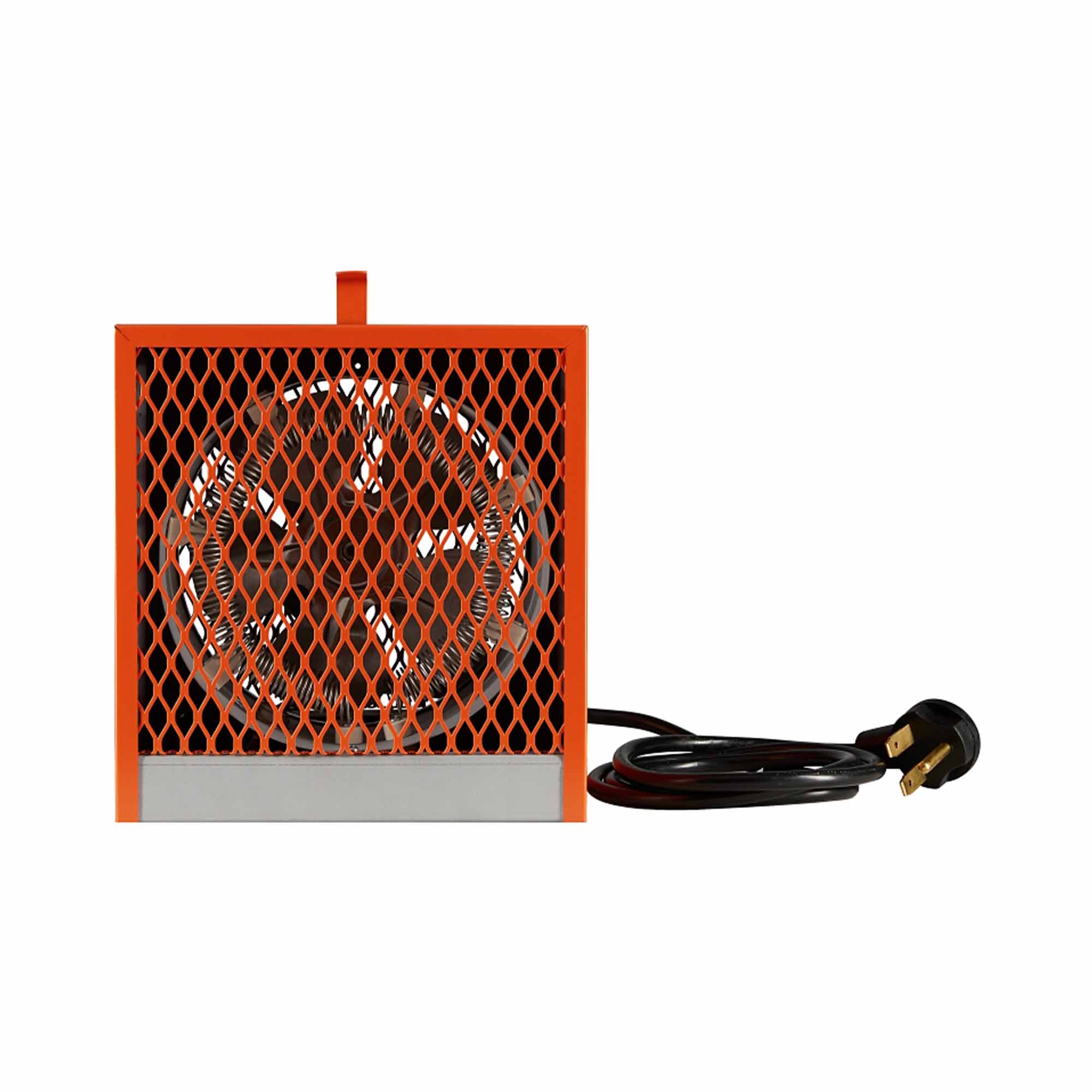
Orange portable heater 4800W
Sale
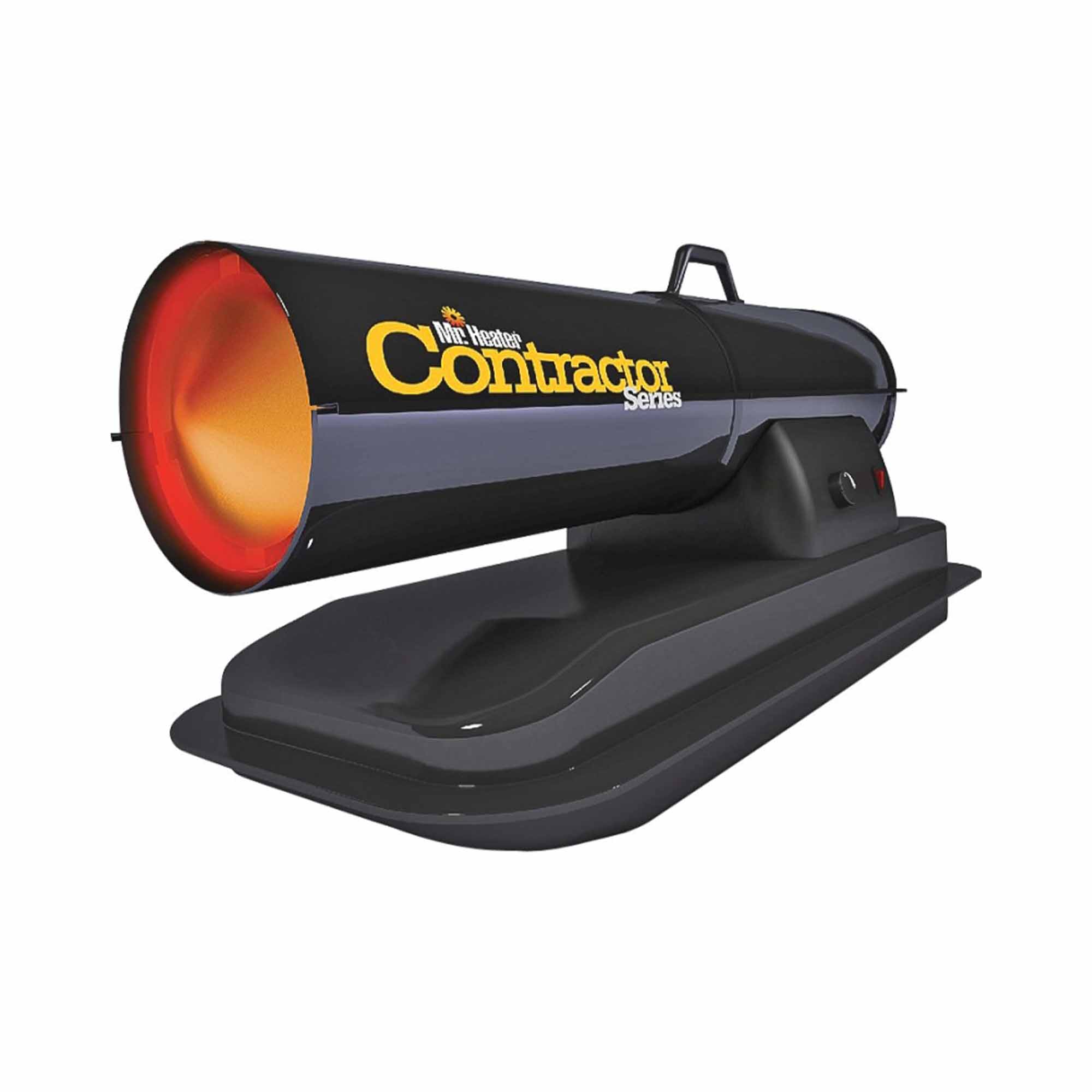
Mr Heater - Forced Air Heater 50K BTU
Need inspiration? Here are our latest products.


About Heated drinking troughs
A reliable heated waterer is one of the most critical pieces of infrastructure on a cattle operation in Quebec. A steer or dairy cow consumes up to 100 litres of water per day in winter—when this water is cold or partially frozen, consumption drops, directly resulting in decreased milk production, reduced weight gain, and increased susceptibility to disease. The heated waterers in our line, primarily from Canarm, keep the water liquid and at a comfortable temperature in temperatures as low as -30°C, thanks to thermostatically controlled heating elements and high-performance insulation independently tested by PAMI.
We offer the H series steel (H50, H100) and P series polypropylene (P25, P50, P100) for herds of 25 to 100 head of cattle, as well as pig waterer models for piggeries. All our units are CSA approved and 4X corrosion-resistant—an essential specification in the humid and ammonia-rich conditions of Quebec barns. We also stock original replacement parts: heating elements, thermostats, stainless steel bowls, valves, floats, seals, and installation accessories, so you can repair rather than replace in case of failure.
FG Edwards has been supplying producers in the Eastern Townships, Montérégie, and Central Quebec regions since 1928. Our advisors understand the demands of Quebec winters and can help you choose the right unit and capacity for your flock. Also, check out our Valves and Parts , Drinking Bowls , and Poultry Drinkers sections for our complete range of drinking equipment.
Frequently Asked Questions
What temperature do heated livestock waterers maintain water at?
Canarm heated waterers use a built-in adjustable thermostat calibrated to activate at approximately 2°C — the point at which water is at immediate risk of freezing. The element heats the water until the thermostat deactivates at approximately 8–10°C, then cycles off. This on/off cycling is normal and energy-efficient: the unit only runs when the water actually needs heat.
The practical result is that livestock always have access to water in the 2–10°C range, which is within the temperature preference range for cattle, sheep, and pigs — cold enough to be palatable, warm enough to never freeze. Research shows cattle drink significantly more water at 15–17°C than at near-freezing temperatures, so some producers choose to set their thermostat slightly higher in winter to maximize voluntary water intake.
How many animals can one heated waterer serve?
Canarm capacity ratings by model:
- H50 / P25: Up to 50 cattle or 100 sheep
- H100 / P50: Up to 100 cattle or 200 sheep
- P100: Up to 100 cattle
These ratings assume average daily water intake under normal conditions. Adjust for your operation: lactating dairy cows drink 30–50% more than dry cows; animals in the last trimester of pregnancy drink more than non-pregnant animals; summer heat increases consumption by 20–30%. When in doubt, size up — competition at the waterer causes stress and reduces intake for lower-ranking animals, which compounds over a winter season into measurable production losses.
Do I need a plumber to install a heated livestock waterer?
The waterer installation involves two trades: electrical and plumbing. Whether you need licensed tradespeople depends on your situation:
Electrical: In Quebec, any new fixed circuit in a farm building requires a licensed electrician and permit under the Code de construction du Québec. The GFCI circuit for the waterer falls under this requirement. If you are plugging into an existing GFCI outlet, no permit is typically required for the plug connection itself.
Plumbing: Connecting the supply line to the waterer is straightforward farm work that most producers do themselves — it typically involves running PEX tubing from the nearest frost-free supply line, connecting through the Canarm flexible hose (H0-G4958) and brass fittings to the fill valve. Insulate any exposed supply line runs. Consider a frost-free hydrant as the supply point in unheated sections of the barn.
Why is my livestock avoiding the heated waterer?
Animal avoidance of a waterer is always worth investigating — it almost always has a correctable cause:
- Stray voltage: The most common cause. Even a few millivolts of AC voltage in the water (from a ground fault in the waterer or another appliance on the same circuit) causes a tingling sensation that makes animals reluctant to drink. Test by measuring AC voltage between the water surface and a grounded rod in the ground nearby. Any reading above 0.5V warrants investigation. A properly installed GFCI circuit eliminates stray voltage risk.
- Water quality or taste: Algae buildup, high mineral content, or stale water causes avoidance. Drain, clean, and refill. Consider a water test if the problem recurs.
- Water too warm: If the thermostat has failed in the closed position, the water may be uncomfortably warm. Check the indicator light — constant on = possible thermostat failure.
- New or unfamiliar: Animals introduced to a new waterer style may take 1–3 days to habituate. Leading dominant animals to the waterer first encourages others to follow.
- Location or social dynamics: A waterer positioned in a dead-end pen corner allows dominant animals to block access for subordinates. Reposition for two-sided approach access if possible.
How do I winterize a heated waterer if I'm closing a barn section?
If a barn section will be unoccupied and the waterer unplugged for part of the winter, proper winterization prevents freeze damage to the internal components and supply plumbing:
- Shut off the water supply at the nearest upstream valve — ideally a frost-free hydrant or shutoff in a heated space.
- Unplug the waterer or shut off its circuit breaker.
- Open the drain plug and allow the bowl and internal passages to drain completely. Leave the plug out.
- Blow out the supply line with compressed air if it runs through an unheated space. Any water remaining in an uninsulated line will freeze and may split the pipe or PEX tubing.
- Disconnect the flexible supply hose (H0-G4958) at the waterer end to prevent ice pressure from damaging the fill valve.
- When recommissioning in spring, reconnect the supply hose, refill the bowl, restore power, and verify thermostat operation before livestock return to the barn section.