


At a Glance

At a Glance
Overview
Emerald Farms black sunflower seeds in 18 kg bags are the number one food for attracting the widest variety of wild birds to your feeder. With an oil content of approximately 28 to 40% and nearly 15 to 20% protein, these seeds provide the dense energy birds need to survive the harsh Eastern Townships winters and support nesting in the spring.
Main features
- High in oil and calories, providing essential energy for birds to maintain their body temperature during cold Quebec nights
- Thin shell easily opened by small birds such as tits, goldfinches and nuthatches, unlike striped sunflower seeds
- Attracts over 40 species of birds including cardinals, blue jays, woodpeckers, rosefinches, juncos and buntings
- Compatible with all types of feeders: tube, hopper, platform, window and tray
- An economical 18kg bag, ideal for enthusiasts who feed birds all year round.
Specifications
| Format | 18 kg bag |
| Kind | Black oil sunflower seeds |
| Fat content (approx.) | 28 to 40% |
| Protein (approx.) | 15 to 20% |
| Use | Feeding wild birds, all year round |
| Species attracted | Cardinals, tits, nuthatches, goldfinches, jays, woodpeckers, juncos, rosefinches |
| Compatible feeders | Tube, hopper, platform, window |
| Brand | Emerald Farms |
- Regular price
- $29.95
- Sale price
- $29.95
- Regular price
-
- Unit price
- $1.66 per kg
Black oil sunflower seeds for wild birds (18kg) - Emerald Farms
No. 1 best seller in Seeds and mixesor check out faster
How to get it
- Free pickup in Bedford or West Brome (QC), ready today (order before 3 p.m.)
- Free local delivery from $95, Tuesday to Thursday
- Shipping across Canada by carrier
Secure checkout30-day returns1% back for members
Disponibilité en magasin
Les niveaux de stock peuvent changer rapidement.
Goes with it
In the same family
All 10 in Seeds and mixes-
 You are hereBlack oil sunflower seeds for wild birds (18kg) - Emerald Farms
$29.95
You are hereBlack oil sunflower seeds for wild birds (18kg) - Emerald Farms
$29.95
-
 Maska Select - Dried Insects for Poultry and Wild Birds
$16.95
4 options
Maska Select - Dried Insects for Poultry and Wild Birds
$16.95
4 options
-
 Wild Bird Seed with Corn, 18kg
$32.25
Wild Bird Seed with Corn, 18kg
$32.25
-
 Corn Free Wild Birdseed - Super - Maska Select
$8.95
3 options
Corn Free Wild Birdseed - Super - Maska Select
$8.95
3 options
-
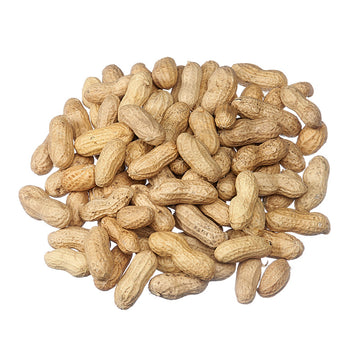 Peanuts in Shell For Wild Birds - 22.68 kg
$119.25
Peanuts in Shell For Wild Birds - 22.68 kg
$119.25
-
 Popcorn Seeds For Wild Birds - 22.68 kg
$58.75
Popcorn Seeds For Wild Birds - 22.68 kg
$58.75
-
 Canola Seeds For Wild Birds - 22.68 kg
$62.95
Canola Seeds For Wild Birds - 22.68 kg
$62.95
-
 Canary Seed For Wild Birds - 22.68 kg
$65.95
Canary Seed For Wild Birds - 22.68 kg
$65.95


Frequently Asked Questions
What makes black oil sunflower seeds the best wild bird food
Black oil sunflower seeds are considered the number one wild bird food because they combine three key advantages. First, their high oil content (28–40 % fat) delivers calorie-dense energy that birds need to maintain body temperature during cold weather and fuel migration. Second, their thin shells are easy for even small birds like chickadees and finches to crack open, unlike the thicker hulls of striped sunflower seeds. Third, they attract the widest variety of species—over 40 types of songbirds regularly feed on black oil sunflower, including cardinals, nuthatches, jays, woodpeckers, and grosbeaks. No other single seed type draws as many different birds to a backyard feeder.
What birds are attracted to black oil sunflower seeds in Quebec
In Quebec’s Eastern Townships, black oil sunflower seeds attract a remarkable diversity of species throughout the year. Year-round visitors include black-capped chickadees, white-breasted and red-breasted nuthatches, downy and hairy woodpeckers, blue jays, and northern cardinals. Winter arrivals add dark-eyed juncos, American goldfinches in their muted winter plumage, pine siskins, common redpolls, and evening grosbeaks during irruption years. During spring and fall migration, you may also see rose-breasted grosbeaks, purple finches, and various sparrow species at your feeder. The thin shell of black oil seeds is particularly important for smaller species that cannot crack open striped sunflower seeds.
What type of bird feeder works best for sunflower seeds
Black oil sunflower seeds work in virtually every feeder type, but some designs offer specific advantages. Tube feeders are ideal because they keep seeds dry and protected from rain and snow—a priority during Quebec’s wet spring and snowy winters. Hopper feeders hold larger volumes and are popular for high-traffic feeding stations. Platform feeders attract ground-feeding species like juncos and mourning doves that won’t use tube feeders. For squirrel management, choose a weight-sensitive feeder that closes under a squirrel’s weight, or mount your tube feeder on a pole with a baffle. Place feeders about 3 m from trees or shrubs so birds have nearby cover but squirrels cannot jump directly onto the feeder.
How often should I refill my bird feeder with sunflower seeds
Refill frequency depends on feeder size, bird traffic, and season. A standard tube feeder holding about 1 kg of seed typically lasts 3 to 7 days during moderate activity, but may empty daily during peak winter feeding when hungry flocks are most active. A good rule is to check feeders every 2 to 3 days and top up before they empty completely—birds learn to rely on consistent food sources and will visit more frequently once they know your feeder is dependable. An 18 kg bag of Emerald Farms black oil sunflower seeds provides roughly 4 to 5 months of feeding for a single tube feeder at moderate traffic. During Quebec’s harshest winter months, you may go through the bag faster as resident and visiting birds increase their caloric intake.
How to keep squirrels away from sunflower seed feeders
Squirrels are persistent but manageable with the right strategies:
- Weight-sensitive feeders—these close their feeding ports under a squirrel’s weight while remaining open for lighter birds; this is the single most effective solution
- Pole-mounted baffles—a dome or cylinder baffle installed below the feeder on a metal pole prevents squirrels from climbing up; mount the feeder at least 1.5 m high and 3 m from any jumping surface
- Caged feeders—a wire cage around a tube feeder lets small birds through while blocking squirrels and larger birds like grackles
Avoid greasing poles or using hot pepper additives, as these can harm both squirrels and birds. F.G. Edwards stocks squirrel-resistant feeders and baffles in our wild bird section at both West Brome and Bedford locations.
How to store sunflower seeds and prevent mould in bird feeders
The high oil content that makes black oil sunflower seeds nutritious also makes them prone to spoilage if exposed to moisture. Store your 18 kg bag in a sealed, airtight container in a cool, dry place—a metal garbage can with a tight lid works well and also deters mice and squirrels from raiding your supply. Never mix fresh seeds with old seeds in the container, as older seeds can introduce moisture and mould spores. At the feeder, only fill what birds will consume in 2 to 3 days during humid weather, and inspect for clumping or a musty smell before refilling. Clean feeders with a solution of mild soap and water every 2 to 4 weeks, rinsing thoroughly and allowing them to dry completely before refilling. In Quebec’s humid summers, this cleaning schedule is especially important.
What is the difference between black oil and striped sunflower seeds for birds
The two types of sunflower seeds differ in ways that matter to both birds and birders:
- Black oil sunflower seeds have thinner shells that small birds like chickadees and finches can crack easily, higher fat content (28–40 % vs about 25 %), and attract the widest range of species—they are the preferred choice for most backyard feeding stations
- Striped sunflower seeds have thicker, harder shells that only larger birds with strong beaks (cardinals, jays, grosbeaks) can open; they produce more shell waste beneath the feeder but are sometimes preferred where squirrel pressure is lower since squirrels find them harder to open too
For the best results in Quebec’s varied bird population, black oil sunflower seeds like the Emerald Farms 18 kg bag are the better all-around choice since they serve both large and small species equally well.
Where to buy Emerald Farms sunflower seeds in the Eastern Townships
F.G. Edwards stocks Emerald Farms black oil sunflower seeds in the economical 18 kg bag at both locations in West Brome and Bedford. The 18 kg format is the best value for year-round bird feeding enthusiasts who go through seed regularly. We also carry a complete selection of wild bird feeding supplies including tube feeders, hopper feeders, platform feeders, suet cages, suet cakes, nyjer seed for finches, and mixed seed blends. Our team can help you choose the right feeder setup for your yard and the species you want to attract. With nearly a century of serving the Eastern Townships community, F.G. Edwards is your neighbourhood source for everything wild bird related.


Let customers speak for us
Service rapide et coût raisonnable.
Timely delivery and good product.

Tout pour le poulailler et le jardin! J’aime beaucoup la sélection de produits
Très bonne qualité de produit, plus qu’heureuse de mon achat!

Great product and super helpful staff.

Ma belle olive ! Magnifique coco kaki

Magnifique poulette un peu tetue maisnen bonne sante et fait de magnifique coco beige

Super gentille et productive.

Super gentille et productive.

Super gentille et productive.
Mes poules adorent

Jai tout aimé. L’organisation etait parfaite et efficace

Good feed !
Very satisfied, great hens
Perfect beautiful Hens , very satisfied

Two stores, one team
In Bedford as in West Brome, you will find people who know animals, fields, and the seasons.
-
Exceptional service! You rarely find that in stores today.
Marie-Josée, Knowlton -
Don't try to mess around here. FG Edwards is THE place.
Louis-Alexandre Parent, Sutton