


At a Glance
At a Glance
Preview
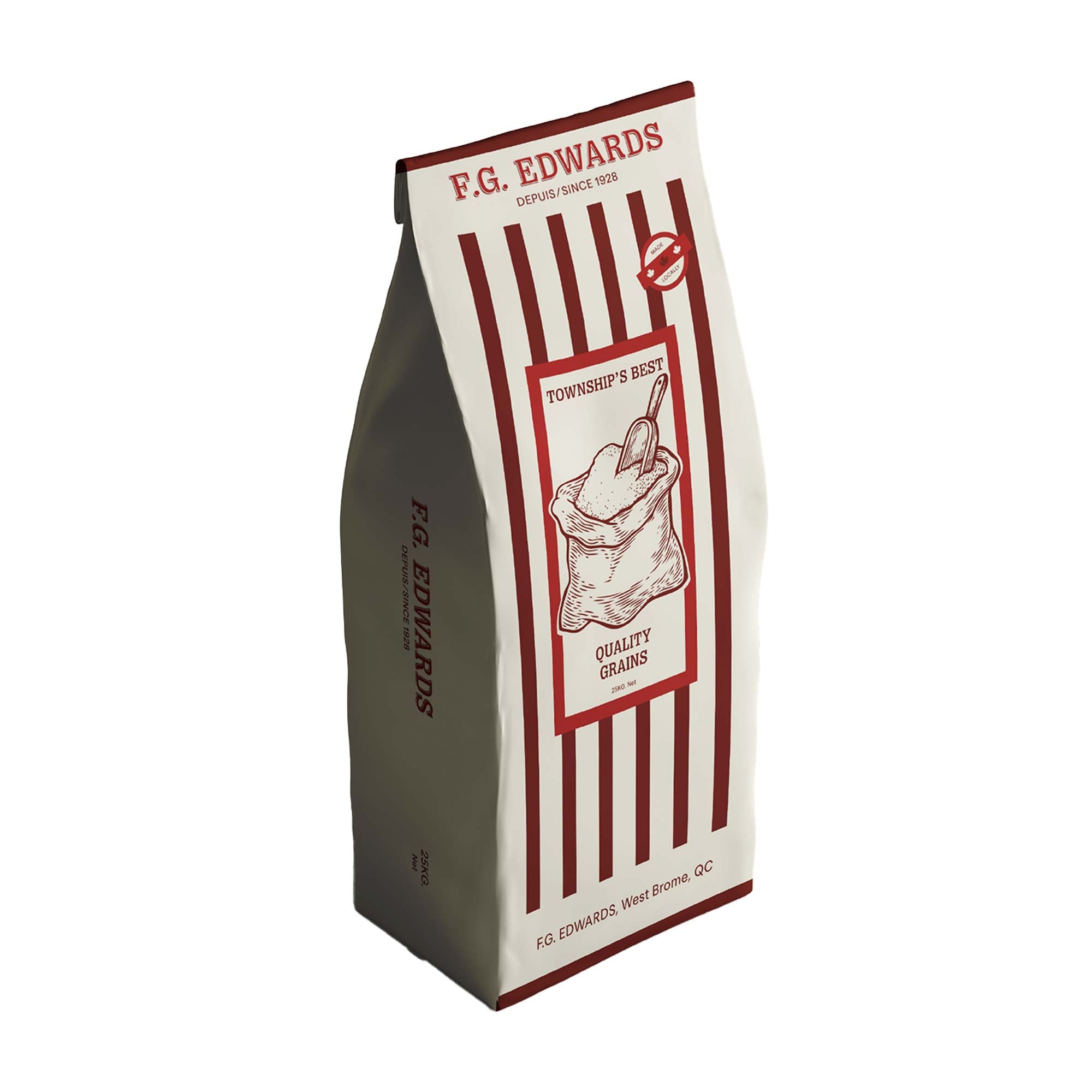
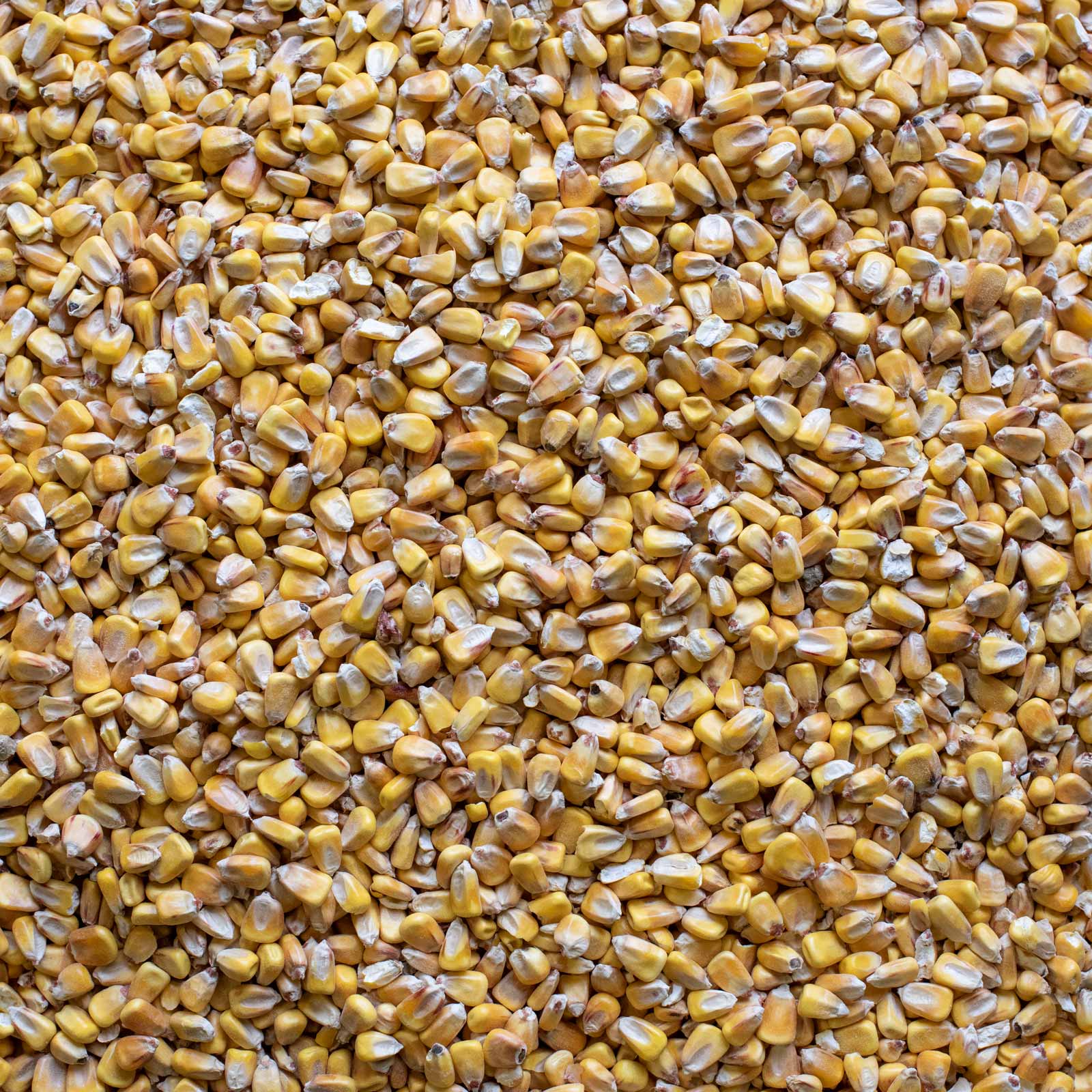
FG Edwards whole grain corn in 25 kg bags is a staple energy grain used in cattle, pig, and poultry feed. Rich in starch and calories, with approximately 365 kcal per 100 g, whole grain corn is the most energy-dense cereal available for livestock, making it a staple in livestock rations in Quebec and a popular supplement for backyard poultry farmers.
Main features
- A dense energy source with approximately 75% starch, ideal for supporting milk production, fattening, and egg laying.
- Unprocessed whole grain that retains the natural integrity of the pericarp, germ, and endosperm for complete nutrition
- Animal versatility: can be incorporated into the rations of beef and dairy cattle, pigs, laying hens, broiler chickens, ducks, turkeys and horses
- A practical 25 kg bag for small farms, backyard flocks and supplementary needs; easy to transport and store
- Quality controlled by FG Edwards for clean, dry, and contaminant-free grain
Specifications
| Format | 25 kg bag |
| Grain type | Whole corn (not cracked) |
| Energy (approx.) | 365 kcal / 100 g |
| Crude protein (approx.) | 9 to 10% |
| Starch (approx.) | ~75% DM |
| Animals | Cattle, pigs, poultry, horses |
| Brand | FG Edwards |
Whole corn 25 kg - FG Edwards
- Regular price
- $17.85
- Sale price
- $17.85
- Regular price
-
Whole corn 25 kg - FG Edwards
Secure checkout • 30-day returns
Disponibilité en magasin
Les niveaux de stock peuvent changer rapidement. Appelez le magasin pour confirmer.
Frequently Asked Questions
What is whole corn used for in animal feeding
Whole corn is one of the most widely used feed grains in livestock and poultry production. It provides a dense source of metabolizable energy, with approximately 365 kcal per 100 g and about 75 % starch content on a dry matter basis. Farmers use whole corn to supplement pasture and hay for beef cattle, boost energy in dairy rations during peak lactation, increase weight gain in finishing pigs, and provide calories for laying hens, broilers, and turkeys. It can also be fed to horses as a controlled energy supplement. The F.G. Edwards 25 kg bag is sized for small to mid-sized operations and backyard flocks.
What is the nutritional value of whole corn grain
Whole corn grain typically contains approximately 9 to 10 % crude protein, 3.5 to 4.5 % fat, and about 75 % starch on a dry matter basis, making it the most energy-dense cereal grain commonly available for livestock. Its energy content is roughly 3 600 kcal of metabolizable energy per kilogram of dry matter for poultry, and it provides high levels of total digestible nutrients for ruminants. However, corn is relatively low in protein quality, particularly the essential amino acid lysine, which is why it should be balanced with a protein source such as soybean meal or a complete feed supplement rather than fed as the sole ration.
How to feed whole corn to beef cattle
For beef cattle, whole corn can be fed without grinding since cattle chew their cud and break down the kernels during rumination. In fact, feeding whole corn to mature cattle reduces the risk of acidosis compared to finely ground corn because the kernels are digested more slowly in the rumen. A typical supplementation rate for beef cows on hay is 2 to 4 kg per head per day, depending on body condition and forage quality. For finishing steers, corn can make up 60 to 80 % of the total ration when introduced gradually over 2 to 3 weeks. Always provide free-choice mineral and salt alongside corn-based rations to compensate for the grain’s low mineral content.
How to feed whole corn to chickens and poultry
Chickens can eat whole corn kernels as part of a balanced diet, though it should not be the sole feed. For laying hens, corn can make up approximately 30 to 50 % of the total daily ration, with the remainder coming from a complete layer feed that provides the protein, calcium, and vitamins hens need for consistent egg production. Offer corn as a scratch grain scattered on the ground to encourage natural foraging behaviour, or mix it into the feed. In winter, an evening feeding of corn can help birds generate body heat overnight during Quebec’s cold nights. Avoid feeding more than 50 % corn to layers, as excess energy and insufficient protein will reduce egg production and increase body fat.
How to store whole corn grain to prevent spoilage
Proper storage is essential to maintain the nutritional value and safety of whole corn. Keep bags in a cool, dry location off the ground on pallets or shelves to prevent moisture absorption from concrete floors. The grain should stay below 14 % moisture to prevent mould growth—if you notice a musty smell or visible mould, do not feed it. In Quebec’s humid summer months, ensure adequate ventilation in your storage area. Protect bags from rodents by storing them in sealed bins or in a room with rodent deterrents in place. A 25 kg bag used regularly for a small flock or a few head of cattle should be consumed within 4 to 6 weeks of opening for optimal freshness and palatability.
What happens if I feed too much corn to my animals
Overfeeding corn can cause serious health issues depending on the species:
- Cattle—introducing too much grain too quickly causes ruminal acidosis, a potentially fatal condition where excessive starch fermentation drops the rumen pH; always transition cattle onto corn gradually over 2–3 weeks
- Horses—excess corn can trigger laminitis (founder) due to starch overload in the hindgut; limit corn to no more than 0.5 kg per 100 kg of body weight per feeding
- Poultry—too much corn reduces protein intake and lowers egg production in layers while increasing fat deposition; keep corn below 50 % of the total ration
For all species, balance corn with appropriate protein, mineral, and fibre sources to maintain a healthy and productive diet.
Should I feed whole corn or cracked corn to my animals
The best form depends on the animal species:
- Beef cattle—whole corn works well because cattle break down kernels through rumination, and the slower digestion reduces acidosis risk compared to processed forms
- Dairy cattle—cracked or rolled corn is often preferred because it increases starch availability and supports higher milk production in demanding rations
- Pigs—ground or cracked corn improves digestibility significantly since pigs do not ruminate; whole kernels may pass through undigested
- Poultry—adult chickens handle whole corn well as scratch grain, while chicks and smaller birds do better with cracked corn
F.G. Edwards stocks whole corn in 25 kg bags. If you need cracked corn, our staff at West Brome or Bedford can advise on the best option for your specific animals and ration goals.
Where to buy whole corn grain in the Eastern Townships
F.G. Edwards carries whole corn in convenient 25 kg bags at both locations in West Brome and Bedford. As a farm supply retailer with an on-site feed mill operating since 1928, we understand the nutritional needs of livestock and poultry in the Eastern Townships. The 25 kg format is ideal for hobby farmers, backyard flock owners, and small operations that need quality grain without committing to bulk quantities. We also stock a complete range of complementary feeds, minerals, and supplements to help you build a balanced ration tailored to your animals. Visit us or call ahead for availability and volume pricing on larger orders.
L'appât de base, en sac de 25 kg
How to use
How much you need
Comptez de 6 à 8 sacs de 25 kg par site pour la saison complète : un sac pour établir le site, puis des recharges régulières selon la pression. Passez au comptoir si vous préparez plusieurs sites — nous chargeons à la palette.