


At a Glance
At a Glance
Overview
First Start-50 IgG bovine colostrum is intended for newborn calves to address passive transfer of immunity deficiencies. Made from genuine bovine colostrum for Class A US dairy farms.
High concentration of IgG: Our colostrum is rich in immunoglobulins (IgG), offering essential protection against infections.
Essential nutrients: Rich in proteins, vitamins and minerals essential to promote the overall development of the calf.
Enhanced immunity: Give your calves the immune boost they need to develop well during their first days.
When using maternal colostrum to feed a calf, it is important to supplement it with La Belle Colostrum's F1RST START supplement, which contains 50 grams of maternal bovine IgG. This ensures the calf receives sufficient IgG for optimal passive transfer of immunity.
FIRST START-50 helps treat failure of passive transfer of immunity in calves during the first 24 hours of life. Composed of 100% natural bovine colostrum, FIRST START-50 contains 50 grams of IgG per dose and is CFIA approved. Store below 24°C.
- Regular price
- $28.95
- Sale price
- $28.95
- Regular price
-
La Belle Colostrum - Bovine Colostrum, First Start-50 IgG, (350g)
or check out faster
In stock now, instead
-
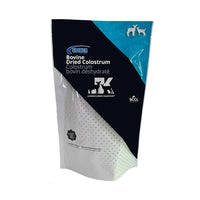 Grober Nutrition - Dehydrated Sheep Colostrum, LambGro (700 gr)
$56.95
Grober Nutrition - Dehydrated Sheep Colostrum, LambGro (700 gr)
$56.95
-
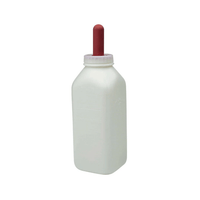 Little Giant - Nursing Bottle With Screw-On Nipple
$14.60
Little Giant - Nursing Bottle With Screw-On Nipple
$14.60
-
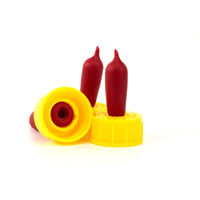 Ukal - Pritchard Screw-On Lamb Teat, Pack of 3
$11.75
Ukal - Pritchard Screw-On Lamb Teat, Pack of 3
$11.75
-
 Merricks - Calf Bottle Nipple, (2L-3L)
$6.99
Merricks - Calf Bottle Nipple, (2L-3L)
$6.99

How to get it
- Free pickup in Bedford or West Brome (QC), ready today (order before 3 p.m.)
- Free local delivery from $95, Tuesday to Thursday
- Shipping across Canada by carrier
Secure checkout1% back for members
Disponibilité en magasin
Les niveaux de stock peuvent changer rapidement.
Goes with it
In the same family
All 10 in Calf-
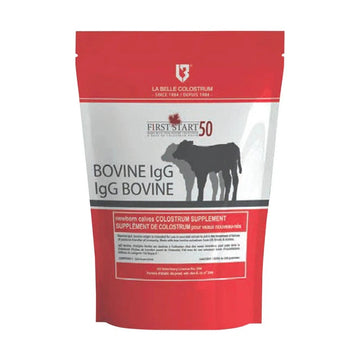 You are hereLa Belle Colostrum - Bovine Colostrum, First Start-50 IgG, (350g)
$28.95
You are hereLa Belle Colostrum - Bovine Colostrum, First Start-50 IgG, (350g)
$28.95
-
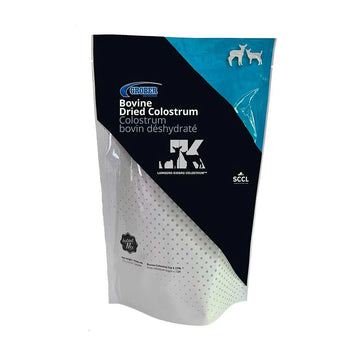 Grober Nutrition - Dehydrated Sheep Colostrum, LambGro (700 gr)
$56.95
Grober Nutrition - Dehydrated Sheep Colostrum, LambGro (700 gr)
$56.95
-
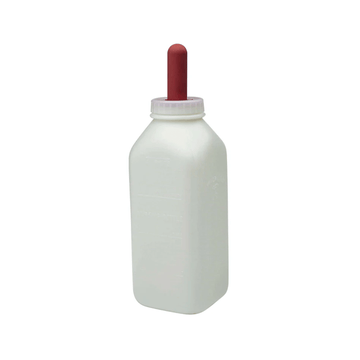 Little Giant - Nursing Bottle With Screw-On Nipple
$14.60
2 options
Little Giant - Nursing Bottle With Screw-On Nipple
$14.60
2 options
-
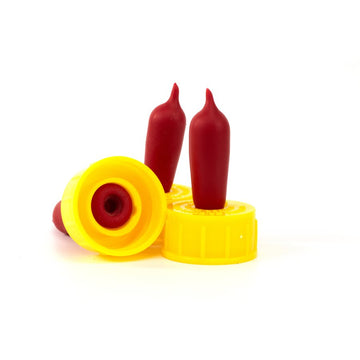 Ukal - Pritchard Screw-On Lamb Teat, Pack of 3
$11.75
Ukal - Pritchard Screw-On Lamb Teat, Pack of 3
$11.75
-
 Merricks - Calf Bottle Nipple, (2L-3L)
$6.99
Merricks - Calf Bottle Nipple, (2L-3L)
$6.99
-
 Merrick - Calf Bottle with Handle
$7.95
2 options
Merrick - Calf Bottle with Handle
$7.95
2 options
-
 Peach Teat - Non-reversible calf bucket with Peach Teat (6L)
$28.95
Peach Teat - Non-reversible calf bucket with Peach Teat (6L)
$28.95
-
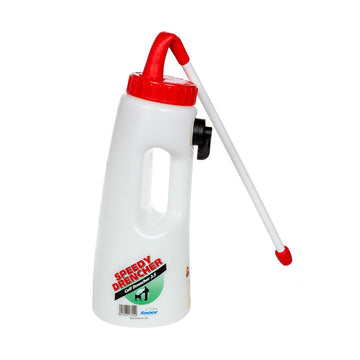 Speedy Drencher - 4L "Speedy Calf Feeder" Rehydrator, Rigid Cannula
$68.35
Speedy Drencher - 4L "Speedy Calf Feeder" Rehydrator, Rigid Cannula
$68.35


Frequently Asked Questions
What is First Start-50 IgG bovine colostrum used for?
First Start-50 is a powdered bovine colostrum replacer designed to treat or prevent failure of passive transfer (FPT) in newborn calves during the critical first 24 hours of life. When a calf does not receive adequate colostrum from its dam — whether due to a difficult calving, a weak calf, poor maternal colostrum quality, or the death of the cow — First Start-50 provides the essential immunoglobulins the calf needs to survive.
Each 350 g dose delivers 50 grams of IgG (immunoglobulin G), which is the minimum threshold recommended by veterinary research for successful passive transfer. These antibodies are absorbed through the calf's intestinal wall and enter the bloodstream, providing immediate immune protection against common neonatal diseases like scours, pneumonia, and septicemia.
First Start-50 is made from 100 % natural bovine colostrum and is approved by the Canadian Food Inspection Agency (CFIA), making it a reliable option for both dairy and beef operations across Quebec and Canada.
How do I mix and administer First Start-50 to a newborn calf?
Mix the entire 350 g packet of First Start-50 with warm water according to the manufacturer's label instructions. Use water at approximately 40 to 45 °C — warm to the touch but not hot, as excessive heat destroys the immunoglobulins. Stir or shake thoroughly until the powder is fully dissolved with no clumps remaining.
Administer the reconstituted colostrum using an esophageal tube feeder or a nipple bottle, depending on the calf's strength and suckling reflex:
- A strong, alert calf will usually drink from a nipple bottle willingly
- A weak or lethargic calf should be fed with an esophageal tube feeder to ensure the full dose reaches the stomach
- Feed as soon as possible — ideally within 2 hours of birth for maximum IgG absorption
The calf's gut lining closes to large protein absorption progressively after birth. By 12 hours, absorption efficiency drops significantly, and by 24 hours it stops almost entirely. Speed is critical — every hour of delay reduces the calf's immune protection.
Why is colostrum so important for calves in the first 24 hours?
Unlike humans, calves are born with virtually no circulating antibodies. The bovine placenta does not transfer immunoglobulins from the cow to the fetus during pregnancy. This means a newborn calf has an essentially unprotected immune system and depends entirely on colostrum to acquire its first antibodies.
Colostrum delivers three critical things that milk cannot:
- Immunoglobulins (IgG): antibodies that protect against bacteria, viruses, and environmental pathogens
- Energy and fat: colostrum contains roughly twice the energy density of whole milk, vital for thermoregulation — especially during Quebec's cold calving seasons
- Growth factors: bioactive proteins that stimulate gut maturation and intestinal development
Calves that fail to receive adequate colostrum within the first 6 to 12 hours are significantly more likely to develop scours, pneumonia, or septicemia in their first weeks. Research consistently shows that calves with failed passive transfer have mortality rates 2 to 5 times higher than those with successful transfer.
How should I store First Start-50 bovine colostrum?
Store unopened packets of First Start-50 in a cool, dry location below 24 °C, as indicated by the manufacturer. A climate-controlled feed room or storage closet works well. Avoid storing the product in areas exposed to direct sunlight, humidity, or temperature fluctuations — such as uninsulated barns or sheds.
In Quebec, temperature management requires attention year-round. During summer, barn temperatures can easily exceed 30 °C, which degrades the immunoglobulin content over time. During winter, while freezing temperatures will not destroy a sealed powder product, repeated freeze-thaw cycles in damp environments can compromise packaging integrity and promote moisture absorption.
Keep your supply well within its expiration date. Colostrum replacer products lose IgG potency as they age, even under ideal storage. For calving season preparedness, purchase fresh stock shortly before your expected calving window rather than stockpiling months in advance. Once a packet is opened and reconstituted, use the solution immediately — do not store mixed colostrum.
What are the signs of failure of passive transfer in calves?
Failure of passive transfer (FPT) means a calf did not absorb enough IgG antibodies from colostrum within the first day of life. Unfortunately, a calf with FPT looks perfectly normal at birth — symptoms only appear days to weeks later when the calf encounters pathogens it cannot fight off.
Early warning signs that a calf may be at risk for FPT include:
- The dam had a difficult calving, was a first-calf heifer, or showed poor maternal instinct
- The calf was slow to stand and nurse — not suckling within 2 hours of birth
- The dam's colostrum appeared thin, watery, or was not tested for quality
- Twins, premature calves, or calves born during extreme cold
Once FPT has occurred, the resulting signs typically include scours (diarrhea) within the first 1 to 3 weeks, respiratory illness, navel infections, poor growth rates, and a generally unthrifty appearance. A veterinarian can confirm FPT with a simple blood test measuring serum total protein — levels below 5.2 g/dL indicate inadequate passive transfer.
What is the difference between a colostrum replacer and a colostrum supplement?
This distinction is critical and often misunderstood. A colostrum replacer like First Start-50 provides a full dose of immunoglobulins — at least 50 grams of IgG — and is designed to completely replace maternal colostrum when it is unavailable. A colostrum supplement typically contains only 10 to 25 grams of IgG and is meant to boost the quality of existing maternal colostrum, not replace it.
If a calf has received no colostrum at all from its dam, a supplement product with only 15 to 20 g of IgG will not provide enough antibodies for successful passive transfer. In that situation, only a true replacer with a minimum of 50 g of IgG per dose meets the veterinary threshold for adequate protection.
When reading product labels, look specifically for the IgG content per dose, not per gram of powder. Some products market high IgG concentrations per gram but require multiple packets to reach an effective dose. First Start-50 delivers its full 50 g of IgG in a single convenient 350 g packet.
When should I have colostrum replacer on hand during calving season in Quebec?
In Quebec, calving seasons vary by operation: dairy herds often calve year-round, while beef herds typically target late winter through early spring (February to April) or fall (September to October). Regardless of your schedule, the rule is simple — have colostrum replacer in stock before the first calf is expected.
Keep at least 2 to 3 doses of First Start-50 on hand at all times during calving season. Emergencies happen without warning: a heifer calves at 2 AM in a snowstorm with poor maternal instinct, a cow dies during delivery, or a calf is too weak to stand and nurse. Without colostrum replacer available, you have no fallback during the narrow absorption window.
For Quebec beef operations with concentrated spring calving, stock up in January or early February before your first expected due dates. Check expiration dates on any product carried over from the previous year. For herds of 30+ cows, consider keeping 5 to 6 doses available. Your veterinarian or local farm supply store can help you estimate the right quantity.
Is First Start-50 CFIA approved and safe for all calf breeds?
Yes — First Start-50 is approved by the Canadian Food Inspection Agency (CFIA), which means it has met federal standards for safety, quality, and labelling accuracy. This approval is important for dairy producers subject to food safety regulations.
The product is made from 100 % natural bovine colostrum, not synthetic or plasma-derived ingredients. It is safe for use in all calf breeds — Holstein, Jersey, Ayrshire, Hereford, Angus, Charolais, Simmental, and crossbreeds. The 50 g IgG dose is calibrated for a standard newborn calf; very small breeds may need a proportionally adjusted volume while very large breeds benefit from the full dose.
As with any colostrum product, proper mixing temperature is essential. Do not use water above 50 °C, as excessive heat denatures the immunoglobulin proteins and reduces effectiveness. Follow the label instructions precisely. If a calf shows signs of illness despite receiving colostrum, consult your veterinarian promptly — colostrum replacer supports immune transfer but does not treat active infections.


Let customers speak for us
Tout pour le poulailler et le jardin! J’aime beaucoup la sélection de produits
Très bonne qualité de produit, plus qu’heureuse de mon achat!

Great product and super helpful staff.

Ma belle olive ! Magnifique coco kaki

Magnifique poulette un peu tetue maisnen bonne sante et fait de magnifique coco beige

Super gentille et productive.

Super gentille et productive.

Super gentille et productive.
Mes poules adorent

Jai tout aimé. L’organisation etait parfaite et efficace

Good feed !
Very satisfied, great hens
Perfect beautiful Hens , very satisfied

Très bon produit et efficace. Merci

Très bon service et rapide Merci
Two stores, one team
In Bedford as in West Brome, you will find people who know animals, fields, and the seasons.
-
Exceptional service! You rarely find that in stores today.
Marie-Josée, Knowlton -
Don't try to mess around here. FG Edwards is THE place.
Louis-Alexandre Parent, Sutton